For me, the mobile units are an absolute no–brainer.
The difference for some cancer patients having their treatment in hospital or on one of the mobile cancer care units is really like trying to compare chalk with cheese, says Robin Hebden, who in 2023 was told his condition was incurable and inoperable and his lifespan was being discussed in months rather than years.
“It’s not the fault of the staff, it’s just mind-blowing how swamped the cancer day units at the hospitals get,” says Robin.
“For me, the mobile units are an absolute no-brainer for taking the pressure off busy hospital departments and the staff. I went from spending most of the day at my local hospital for what was a two-hour treatment, to then stepping onto the mobile unit, being seen straight away and being able to get on with my plans for the rest of the day.”
Robin initially went to see his doctor for an enlarged benign prostate, which was treated.
“I had the archetypal symptoms where I was urinating a lot,” he says.
But when he went back to the hospital after his treatment, an endoscopy revealed a cancerous tumour which had spread to his bladder.
“I was shocked. I just wasn’t expecting that at all,” he says.
It’s only when you need to use them that you become acutely aware of what an asset they are to the community.
You see people picking up pills, having blood tests, routine things that don’t have to clog up the workings of a busy hospital,” he says.
And he adds: “If there was ever a time, maybe a public holiday, or staff shortages when the unit wasn’t available to me, I didn’t relish going to the hospital for my treatment, purely because I knew the day unit at the hospital is always so busy.
“It’s obviously quite right that those with the highest needs get priority but that then makes a strong case for an alternative, such as the mobile unit, to offer a service for people who are able to use them, which frees up valuable spaces for people who really need to be at the hospital.
“It makes perfect sense that those who are well enough to attend the mobile units should be able to do so. It works for everyone, not least of all the hospital staff who are often struggling to cope with an extraordinary volume of patients.
“The mobile units are much less hurried. It’s easy to build up a rapport both with the staff and the other patients as you see the same, familiar faces over time, and they can take the time to chat and catch up.”
Robin now has follow-up scans every three months and says he is trying to remain positive about the future.
“It’s always at the back of my mind that I have an incurable disease, and there can be a tendency at this point to live from scan to scan, worried that the cancer may have developed. But from day one, I feel I have been lucky with my treatment.
And the prognosis wasn’t good. Robin was told he had Stage 4 cancer, and standard treatment wasn’t viable for his condition. It was suggested he should have his bladder removed to give him the best possible chance – obviously not something anyone considers lightly.
“But I was looking at six to nine months without treatment or twelve to eighteen months if I then responded to immunotherapy,” he says.
Even though he was caught between a bit of a rock and a hard place, Robin agreed to have his bladder removed, and thankfully, the operation was successful.”
He started his chemotherapy treatment at the Haematology and Oncology Day Unit (HODU) within the Airedale Hospital in Steeton, West Yorkshire, before being offered the option of continuing with immunotherapy on the mobile unit.
“I was having my bloods taken at the unit in the pub car park in Skipton, and the day after, my immunotherapy was given intravenously at the unit in the Sainsbury’s car park in Keighley. They are both around four miles from where I live, so it was a very easy journey for me both ways,” says Robin.
“When you get diagnosed, you suddenly find yourself in a world where there are a massive amount of people in the same boat as you and you get to know people who are going through what you are going through, even though it’s not really a club that anyone ever wants to belong to.”
Now aged 70, Robin retired in 2021, having spent more than six years in the RAF, 25 years as a police officer and 12 years working with challenging children in inner city schools in Bradford.
Halfway through his treatment, Robin was given the good news that there had been a 50% reduction in the tumour and, even better, at the end of eighteen sessions, he was told that there was No Evidence of Disease (NED).
“I had always been healthy, fit and strong. I never really had any health issues, so what happened to me came right out of the blue. If it could happen to me, it could happen to anyone.
“I had seen the mobile units around but never really took much notice of them before,” says Robin.
“Apart from tiredness and fatigue, I feel good. I have just got on with it from the start. It has affected my wife more than me. She has found it hard sometimes, but it’s definitely getting easier now that we are two years down the line.
“And as time goes on, I am learning to live for today and not worry about tomorrow, and the mobile unit really helped with that as it put cancer into a small part of my routine rather than allowing it to become an all-consuming chunk of my life that I had to allocate to hanging around hospital waiting rooms.
“It’s hard to think about anything but your disease and your own mortality in that environment.
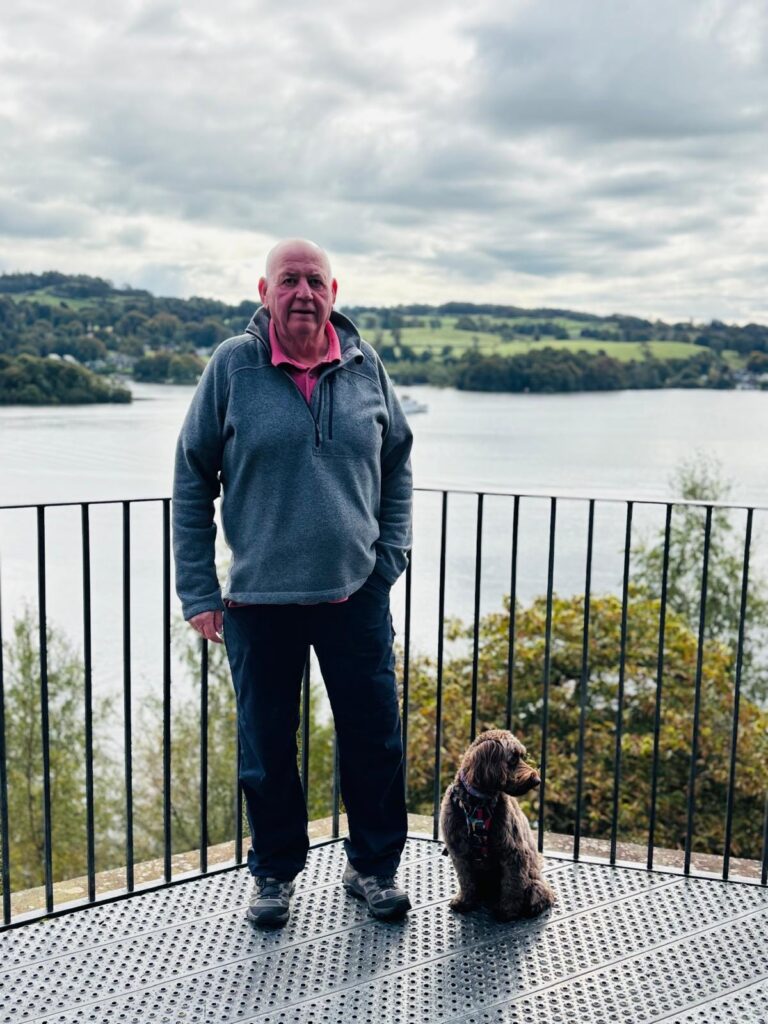
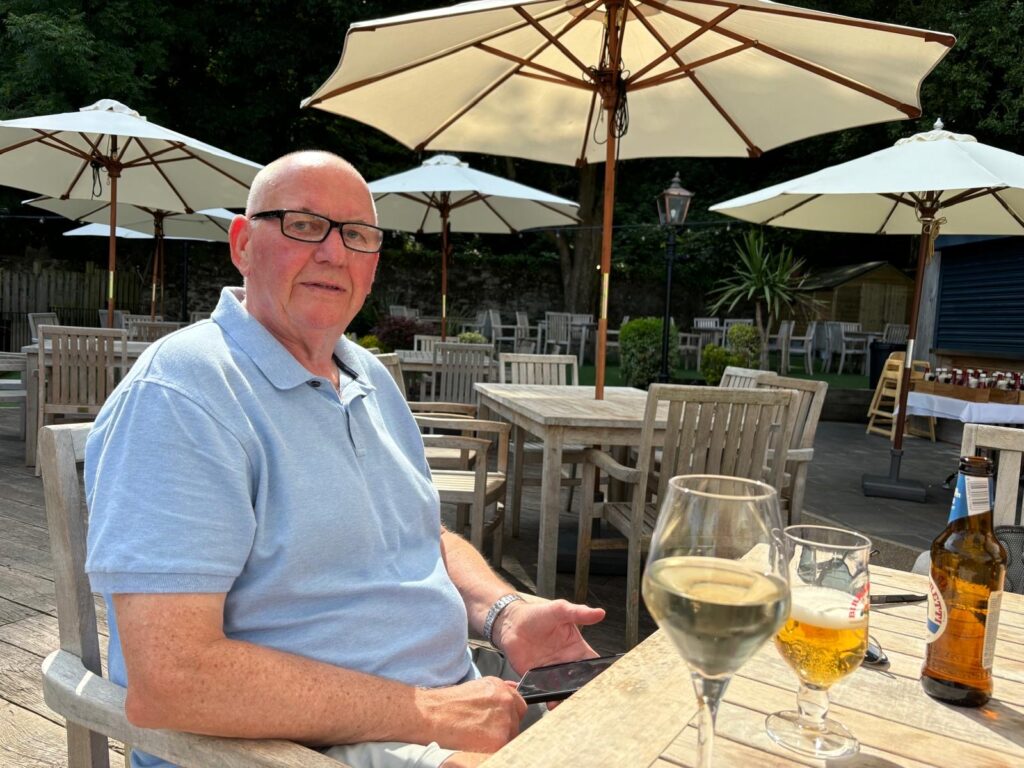
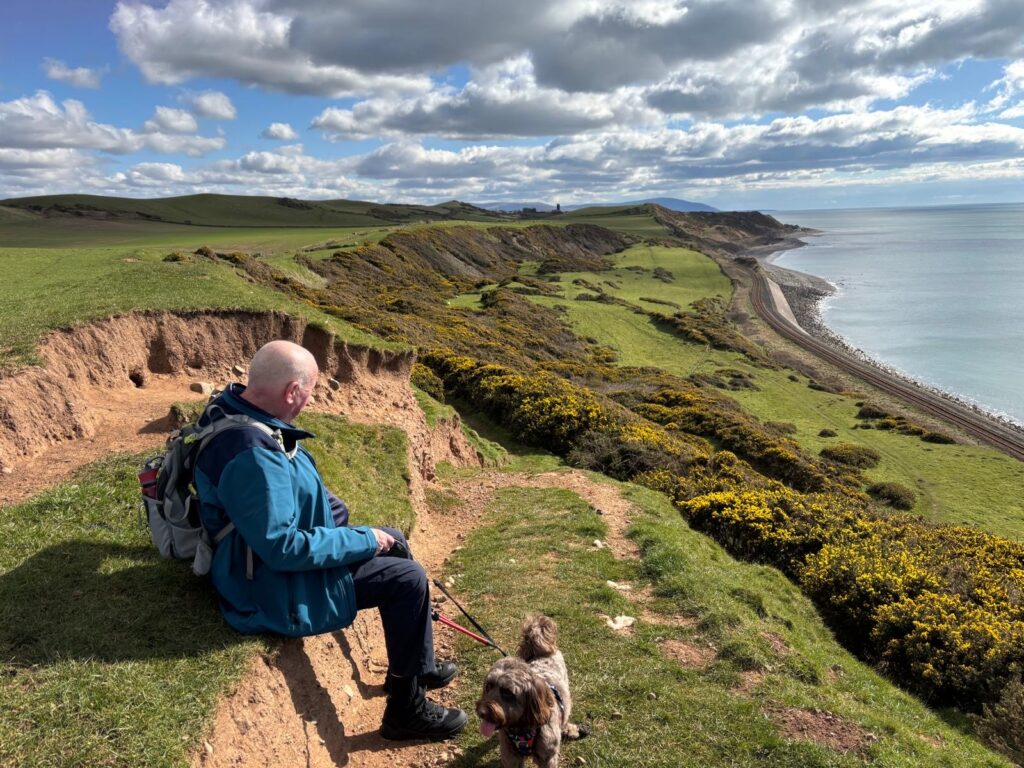
“But I was never one not to live my life to the full, and that’s not going to change now. None of what has happened to me has stopped me from doing what I want to do.
“I may not be as fit and active as I used to be, but thanks to the treatment I received, my quality of life is now good.”
For me, the mobile units are an absolute no–brainer.
The difference for some cancer patients having their treatment in hospital or on one of the mobile cancer care units is really like trying to compare chalk with cheese, says Robin Hebden, who in 2023 was told his condition was incurable and inoperable and his lifespan was being discussed in months rather than years.
“It’s not the fault of the staff, it’s just mind-blowing how swamped the cancer day units at the hospitals get,” says Robin.
“For me, the mobile units are an absolute no-brainer for taking the pressure off busy hospital departments and the staff. I went from spending most of the day at my local hospital for what was a two-hour treatment, to then stepping onto the mobile unit, being seen straight away and being able to get on with my plans for the rest of the day.”
Robin initially went to see his doctor for an enlarged benign prostate, which was treated.
“I had the archetypal symptoms where I was urinating a lot,” he says.
But when he went back to the hospital after his treatment, an endoscopy revealed a cancerous tumour which had spread to his bladder.
“I was shocked. I just wasn’t expecting that at all,” he says.
And the prognosis wasn’t good. Robin was told he had Stage 4 cancer, and standard treatment wasn’t viable for his condition. It was suggested he should have his bladder removed to give him the best possible chance – obviously not something anyone considers lightly.
“But I was looking at six to nine months without treatment or twelve to eighteen months if I then responded to immunotherapy,” he says.
Even though he was caught between a bit of a rock and a hard place, Robin agreed to have his bladder removed, and thankfully, the operation was successful.”
He started his chemotherapy treatment at the Haematology and Oncology Day Unit (HODU) within the Airedale Hospital in Steeton, West Yorkshire, before being offered the option of continuing with immunotherapy on the mobile unit.
“I was having my bloods taken at the unit in the pub car park in Skipton, and the day after, my immunotherapy was given intravenously at the unit in the Sainsbury’s car park in Keighley. They are both around four miles from where I live, so it was a very easy journey for me both ways,” says Robin.
“When you get diagnosed, you suddenly find yourself in a world where there are a massive amount of people in the same boat as you and you get to know people who are going through what you are going through, even though it’s not really a club that anyone ever wants to belong to.”
Now aged 70, Robin retired in 2021, having spent more than six years in the RAF, 25 years as a police officer and 12 years working with challenging children in inner city schools in Bradford.
Halfway through his treatment, Robin was given the good news that there had been a 50% reduction in the tumour and, even better, at the end of eighteen sessions, he was told that there was No Evidence of Disease (NED).
“I had always been healthy, fit and strong. I never really had any health issues, so what happened to me came right out of the blue. If it could happen to me, it could happen to anyone.
“I had seen the mobile units around but never really took much notice of them before,” says Robin.
It’s only when you need to use them that you become acutely aware of what an asset they are to the community.
You see people picking up pills, having blood tests, routine things that don’t have to clog up the workings of a busy hospital,” he says.
And he adds: “If there was ever a time, maybe a public holiday, or staff shortages when the unit wasn’t available to me, I didn’t relish going to the hospital for my treatment, purely because I knew the day unit at the hospital is always so busy.
“It’s obviously quite right that those with the highest needs get priority but that then makes a strong case for an alternative, such as the mobile unit, to offer a service for people who are able to use them, which frees up valuable spaces for people who really need to be at the hospital.
“It makes perfect sense that those who are well enough to attend the mobile units should be able to do so. It works for everyone, not least of all the hospital staff who are often struggling to cope with an extraordinary volume of patients.
“The mobile units are much less hurried. It’s easy to build up a rapport both with the staff and the other patients as you see the same, familiar faces over time, and they can take the time to chat and catch up.”
Robin now has follow-up scans every three months and says he is trying to remain positive about the future.
“It’s always at the back of my mind that I have an incurable disease, and there can be a tendency at this point to live from scan to scan, worried that the cancer may have developed. But from day one, I feel I have been lucky with my treatment.
“Apart from tiredness and fatigue, I feel good. I have just got on with it from the start. It has affected my wife more than me. She has found it hard sometimes, but it’s definitely getting easier now that we are two years down the line.
“And as time goes on, I am learning to live for today and not worry about tomorrow, and the mobile unit really helped with that as it put cancer into a small part of my routine rather than allowing it to become an all-consuming chunk of my life that I had to allocate to hanging around hospital waiting rooms.
“It’s hard to think about anything but your disease and your own mortality in that environment.
“But I was never one not to live my life to the full, and that’s not going to change now. None of what has happened to me has stopped me from doing what I want to do.
“I may not be as fit and active as I used to be, but thanks to the treatment I received, my quality of life is now good.”