
Before Les was diagnosed, he was playing 18 rounds of golf three times a week. We had been counting the days until my retirement so that we could spend more time travelling in our little camper van which we love.
When Les was diagnosed it was devastating. All our plans disappeared overnight. His first three treatments were ineffective and as a result his life became very restricted.
I pulled out all the stops to be strong for him, but privately I was struggling to cope. One day when I was feeling particularly low, I cut out the logo on a leaflet for Hope for Tomorrow and stuck it on my fridge.
Les had just started having chemotherapy on the mobile cancer care unit and I was so impressed by the wonderful service it offered. That little logo reminded me every day that there is always hope for someone on a cancer journey.
The more I looked at it I realised I wanted to do something positive to support the charity.
Walking helped me in the early days. I used to take myself off for a stroll when Les was having his treatments. It gave me the space to cry on my own and work through all the emotions I was dealing with. I didn’t want Les to see me upset, he had enough to deal with.
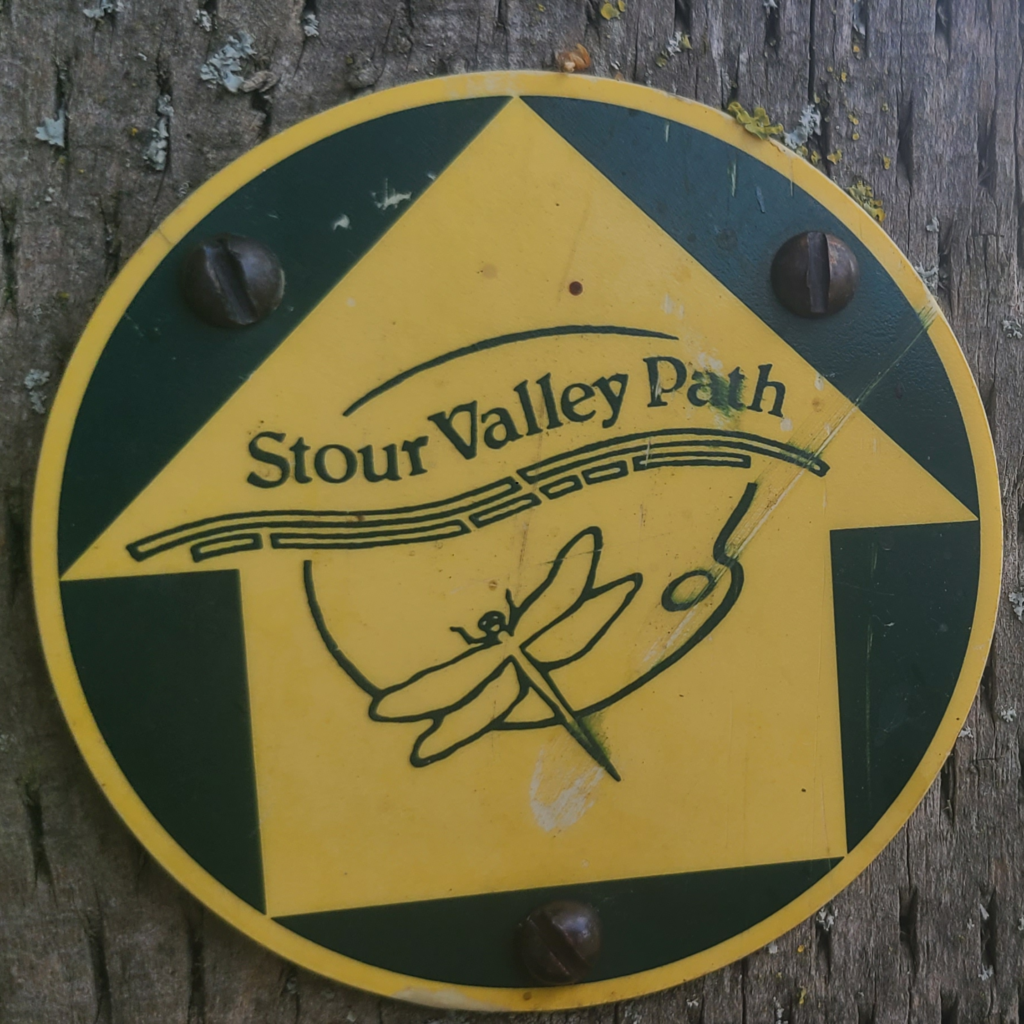
I decided to do a 63-mile sponsored walk along the Stour Valley Path from Newmarket in West Suffolk to Cattawade on the Essex/Suffolk border to raise some money to support the mobile units.
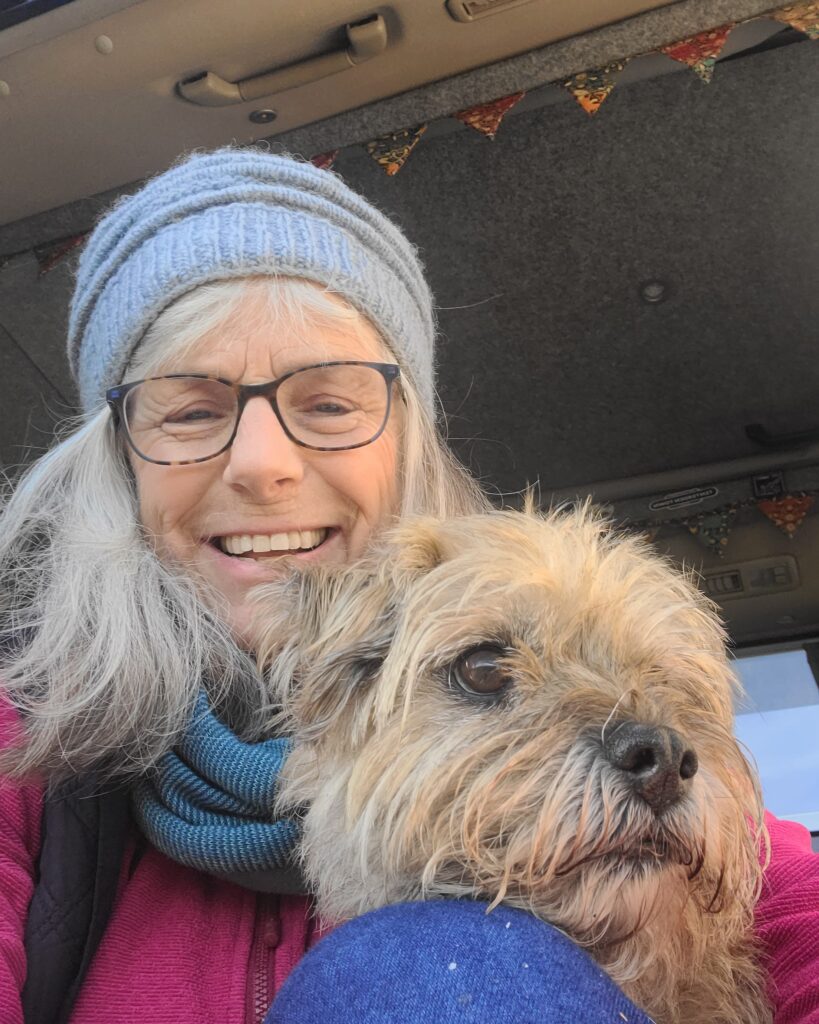
I actually refer to the unit as The Magical Mystery Bus as in the Beatles Magical Mystery Tour because The Beatles were one of our favourite bands when we first met.
I contacted Hope for Tomorrow who were very helpful and encouraging and said they would assist me in setting up a JustGiving page.
I needed to focus and I knew I had to find something to do to carry on and give Les the support he needed. I found walking very therapeutic at that time so I thought I would see if I could put that to good use.
I wanted Les to be involved in some way and as he always has a freshly ironed handkerchief on him, I took a freshly ironed handkerchief with me on every walk. It kept him close.
Friends offered to join me on my walks, but I found that too much of a distraction. I preferred to be alone. Being out in nature really helped me and from the first steps in my walking boots I felt I could breathe for the first time since the diagnosis. I took a flask and my lunch and watched the swallows in the sky, and it helped me to stay strong.
I had complete strangers offering to drive me and pick me up from the start and end of each walk. Everybody thought it was a great idea, and everyone was so kind.
The ‘bus’ [mobile unit] is unique and it has made such a difference to us. Not only is it convenient but it’s such a gentle, intimate environment. There’s always a warm welcome and then when the treatment is over, because of where it parks up in supermarkets and public centres there is just something uplifting about stepping down and seeing life still going on all around. It’s such a positive experience.
My walk was done in six-mile blocks. I loved doing it and I was delighted to be able to support and raise some money for what has provided us with a truly fantastic service.
Les is now started immunotherapy treatment at MacMillan and is responding well. He is hoping to return to The Magical Mystery Bus in June.
Before Les was diagnosed, he was playing 18 rounds of golf three times a week. We had been counting the days until my retirement so that we could spend more time travelling in our little camper van which we love.
When Les was diagnosed it was devastating. All our plans disappeared overnight. His first three treatments were ineffective and as a result his life became very restricted.
I pulled out all the stops to be strong for him, but privately I was struggling to cope. One day when I was feeling particularly low, I cut out the logo on a leaflet for Hope for Tomorrow and stuck it on my fridge.
Les had just started having chemotherapy on the mobile cancer care unit and I was so impressed by the wonderful service it offered. That little logo reminded me every day that there is always hope for someone on a cancer journey.
The more I looked at it I realised I wanted to do something positive to support the charity.
Walking helped me in the early days. I used to take myself off for a stroll when Les was having his treatments. It gave me the space to cry on my own and work through all the emotions I was dealing with. I didn’t want Les to see me upset, he had enough to deal with.
I decided to do a 63-mile sponsored walk along the Stour Valley Path from Newmarket in West Suffolk to Cattawade on the Essex/Suffolk border to raise some money to support the mobile units.
I contacted Hope for Tomorrow who were very helpful and encouraging and said they would assist me in setting up a JustGiving page.
I needed to focus and I knew I had to find something to do to carry on and give Les the support he needed. I found walking very therapeutic at that time so I thought I would see if I could put that to good use.
I wanted Les to be involved in some way and as he always has a freshly ironed handkerchief on him, I took a freshly ironed handkerchief with me on every walk. It kept him close.
Friends offered to join me on my walks, but I found that too much of a distraction. I preferred to be alone. Being out in nature really helped me and from the first steps in my walking boots I felt I could breathe for the first time since the diagnosis. I took a flask and my lunch and watched the swallows in the sky, and it helped me to stay strong.
I had complete strangers offering to drive me and pick me up from the start and end of each walk. Everybody thought it was a great idea, and everyone was so kind.
The ‘bus’ [mobile unit] is unique and it has made such a difference to us. Not only is it convenient but it’s such a gentle, intimate environment. There’s always a warm welcome and then when the treatment is over, because of where it parks up in supermarkets and public centres there is just something uplifting about stepping down and seeing life still going on all around. It’s such a positive experience.
Les is now started immunotherapy treatment at MacMillan and is responding well. He is hoping to return to The Magical Mystery Bus in June.
